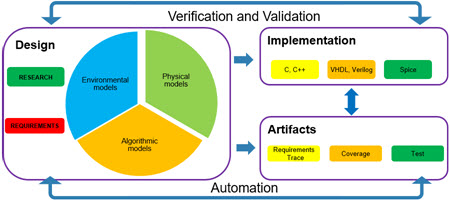

For the past 5 months, I have worked on this blog without giving a definition of Model-Based Design and while the definitions of Model-Based Design vary there are a few common concepts. (Note: for this blog post I will only be considering graphical modeling languages such as Simulink. It is possible to follow a Model-Based Design approach using textutal languages however there are additional burdens in doing so)
One truth – many uses
Core to all Model-Based Design workflows is the concept of a “model object” which is used in multiple phases of the design process. That model object, or collection of objects, is elaborated during the design process, e.g. transforming an initial “shell” model into a fully elaborated model at the deployment phase. Then using the deployment phase version of the model during the validation phases. 
By maintaining a “one truth – many uses” model the number of handoff between people and roles is reduced thereby minimizing the introduction of errors.

Model represents reality
The model both represents and helps your understanding of the real world. The representation is inherent, you design the model to encompass the physical and event driven phenomena of the system.
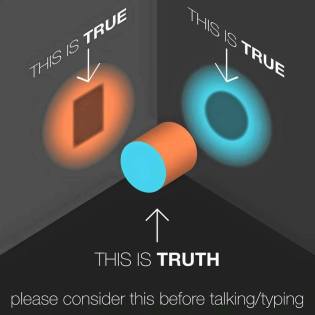
The aspect of understanding comes in for complex systems where it is difficult, or even impossible to understand how the system will react to a given input. (Note: “complex” is a relative term, even a “simple” dual pendulum is not easy to visualize.)
Abstraction
Finally, the goal of MBD is to abstract implementation from design details. Modeling languages represent aggregate concepts into representative blocks. By removing the implementation details engineers can focus on functionality and safety while software architects can system level composition.

Final thoughts
This short introduction, by its very nature, cannot go into detail of how Model-Based Design is applied. However, my hope is that by keeping the three key ideas of MBD, “one truth, many uses”, “model represents reality” and “abstraction” you will have a better understanding of Model-Based Design.


 With a span of 9 years between the initial release and version 2.0, there were significant updates to both The MathWorks tools and the accepted user workflows. With a few minor updates between version 2.0; version 3.0 was released in August of 2012. Like the previous update, the version 2.0 to 3.0 enabled new workflows and addressed new tools and functions in the Simulink, Stateflow, and MATLAB models for MBD development workflows.


 In general, there are 4 parts of a standard guideline that must be addressed in the software development process
 There are essentially three main steps to creating a software tool validation plan
 nt of
nt of 
